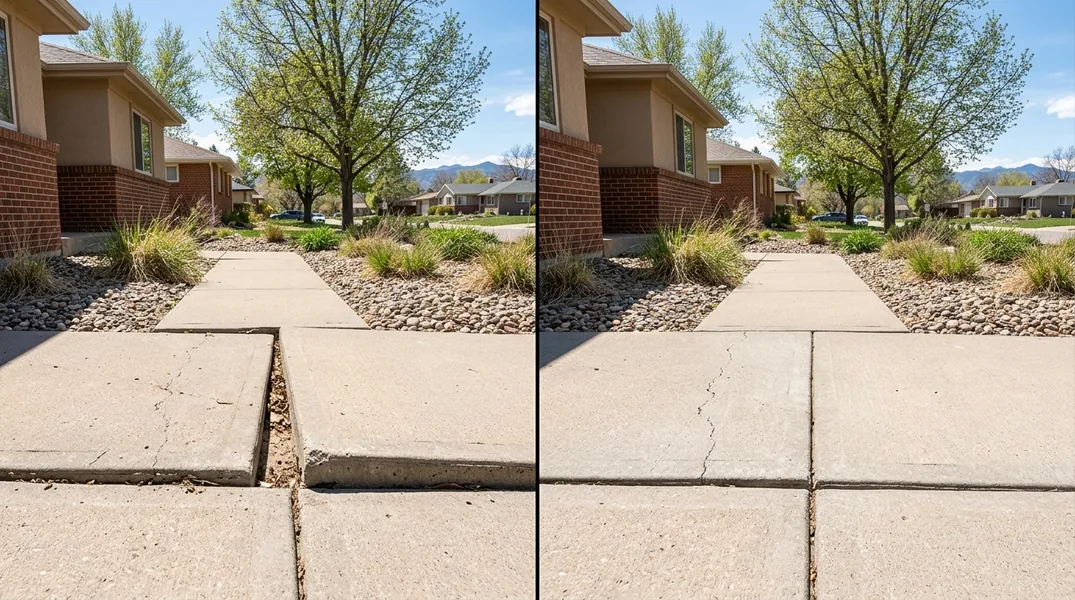
Understanding Expansive Clay Soil and Its Impact on Concrete
If you own a home in Denver, you've likely noticed cracks in your driveway, foundation, or patio. While many homeowners assume poor construction is to blame, the real culprit often lies beneath the surface: expansive clay soil. This type of soil is particularly prevalent throughout the Denver metro area and presents one of the most significant challenges to concrete longevity in the region.
Expansive clay soil contains minerals like montmorillonite that absorb water and swell dramatically. When moisture increases, the soil expands; when it dries, it shrinks. This constant cycle of expansion and contraction creates tremendous pressure on any concrete structure sitting above it. Unlike other soil types that remain relatively stable, expansive clay acts almost like a living thing, constantly shifting beneath your feet. This movement is relentless and can cause foundation cracks, driveway heaving, and structural damage that costs thousands of dollars to repair.
How Expansive Soil Causes Concrete Damage in Denver
The damage mechanism is straightforward but devastating. When clay soil swells due to moisture absorption, it pushes upward on concrete slabs with enormous force. A single square foot of expanding clay can exert thousands of pounds of pressure. Your Concrete Driveways, Concrete Patios, and foundation are essentially sitting on a platform that's constantly moving. This uneven movement causes the concrete to crack, buckle, and shift out of level.
The problem is compounded by Denver's climate and precipitation patterns. Spring snowmelt and summer monsoons introduce significant moisture into the soil, triggering expansion cycles. Conversely, dry summers cause the soil to shrink, creating voids beneath concrete slabs. When weight is applied to these voids, the concrete can crack or settle unevenly. Homeowners often see stair-step cracks in foundations, diagonal cracks in driveways, or sections of concrete that have risen several inches above their original level. These aren't cosmetic issues; they're structural problems that worsen over time if left unaddressed.
The Freeze-Thaw Cycle: A Double Threat to Denver Concrete
Expansive soil damage is only part of the story. Denver's notorious freeze-thaw cycles add another layer of stress to concrete. Winter temperatures regularly drop below freezing, and spring brings rapid warming. When water enters concrete through cracks or pores and then freezes, it expands with tremendous force. This expansion can widen existing cracks and create new ones, a process that repeats every winter season. Over several years, this damage becomes severe and costly.
The combination of expansive clay soil and freeze-thaw damage creates a particularly harsh environment for concrete. You might have a driveway that's already stressed by soil movement below, and then winter weather causes additional surface damage. Concrete that might last 30 to 40 years in a stable climate can deteriorate much faster in Denver. This is why concrete repair in Denver Colorado is such a common service need. Homeowners who understand this dual threat can take preventive measures and catch problems early before they require expensive replacement.
Early Warning Signs of Expansive Soil Damage
Recognizing the early signs of expansive soil damage can save you thousands in repair costs. Look for diagonal cracks in your foundation, especially those that step along mortar joints. Horizontal cracks are particularly concerning as they indicate significant pressure from below. In your driveway or patio, watch for sections that have heaved upward, creating a trip hazard. Doors and windows that stick or won't close properly can also indicate foundation movement caused by expansive soil.
Interior signs include cracks in drywall, gaps between walls and ceilings, or sloping floors. If you notice these warning signs, don't wait. Early intervention through proper drainage, moisture management, or professional Concrete Repair & Resurfacing can prevent minor issues from becoming major structural problems. Contact Denver Concrete at (720) 575-1321 for a professional evaluation of your concrete and soil conditions.
Preventive Measures and Solutions for Expansive Clay Soil
The best approach to expansive soil damage is prevention. Proper drainage is critical. Ensure that water from gutters, downspouts, and grading slopes away from your foundation and driveway. Maintaining consistent moisture levels in the soil around your home helps prevent the extreme expansion and contraction cycles that cause damage. Some homeowners install moisture barriers or use special sealants on concrete surfaces to reduce water infiltration. If you're planning new construction or replacement of Concrete Driveways, working with a contractor experienced in Denver's soil conditions makes a significant difference.
For existing damage, solutions range from simple repairs to more involved structural work. Minor cracks can be sealed to prevent water infiltration and further damage. Severely damaged concrete may need to be removed and replaced with proper soil preparation and moisture control measures. In some cases, soil stabilization techniques or deeper foundation repairs are necessary. The right solution depends on the extent of damage, the specific soil conditions on your property, and your long-term plans for the structure. A professional assessment from Denver Concrete will identify the best approach for your situation.
When to Call a Professional Near Me: Concrete Repair in Denver
If you've noticed any signs of expansive soil damage to your concrete, it's time to call in the experts. Denver Concrete has years of experience dealing with expansive clay soil issues throughout the Denver metro area. We understand the unique challenges that local soil conditions present and can recommend solutions tailored to your property. Whether you need a free estimate for repairs or want to discuss preventive measures for new concrete work, our team is ready to help.
The cost of addressing expansive soil damage early is far less than the cost of allowing problems to worsen. Cracked foundations can lead to water intrusion, mold, and structural instability. Damaged driveways become safety hazards and can affect your home's value. Don't put off getting a professional evaluation. Call Denver Concrete at (720) 575-1321 today or visit our website to schedule your free estimate. Our experienced team will assess your concrete and soil conditions, explain what you're dealing with, and provide clear recommendations for the best path forward.
Looking for a professional tree service in Denver? Denver Concrete responds fast for all your concrete needs.
Get a Free QuoteOur services: Concrete Driveways · Concrete Patios · Stamped & Decorative Concrete